Stablecoins are a bigger threat to the EURO than U.S. tariffs, warns Italy’s economy minister.
Cryptocurrency News
What is a VTuber, and how do you become one in 2025? [cointelegraph]
Key takeaways
A Vtuber is a real person behind a digital avatar, blending performance, storytelling, and creativity to connect with audiences through livestreams, games, podcasts, and more.
Becoming a VTuber involves designing a unique avatar (2D or 3D), using motion capture for animation, and leveraging software tools like Live2D, VSeeFace, and AI voice modifiers.
In 2025, VTubing success often starts with short-form mobile platforms like TikTok and YouTube Shorts. Cross-posting to Discord, X, or Twitch helps build community and drive monetization.
Aspiring VTubers should be aware of risks like burnout, privacy breaches, platform dependency, and unpredictable income.
Virtual YouTubers, or VTubers, have gained popularity in recent years. VTubers create content for their channels using computer-generated avatars.
Although VTubers are particularly popular in Japan and other Asian countries, the trend is slowly spreading across the world.
So, what exactly is a VTuber? How does VTubing work, and how can you become one in 2025?
This article explores what a VTuber is, the tools and software, and how to start VTubing in 2025.
What is a VTuber?
Have you ever scrolled Twitch or YouTube and stumbled upon a virtual anime-style character live streaming, playing games and chatting with viewers? That was a VTuber.
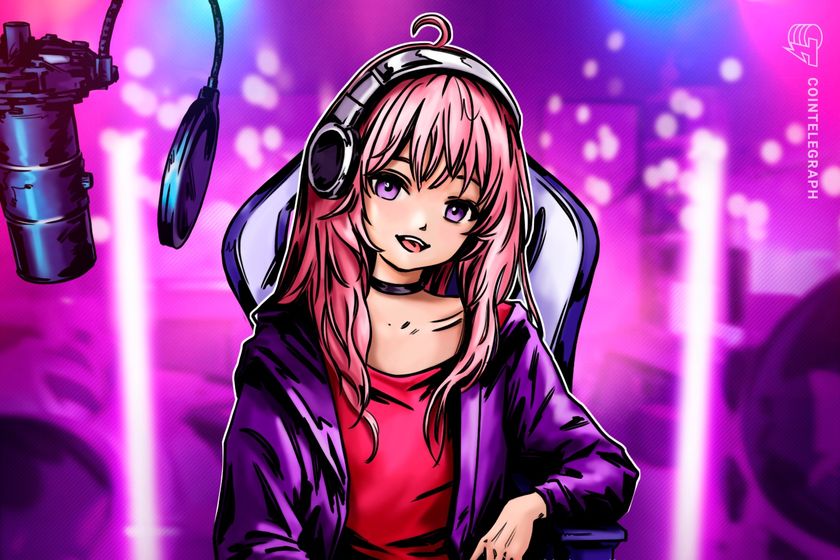
A VTuber is a digital content creator who uses a virtual avatar to produce videos or live content.
These avatars are often animated in real-time using motion tracking and face capture, creating an online personality. These avatars can look like anime characters, animals, robots or even abstract creatures.
However, behind every VTuber is a real person, using their voice, expressions and personality to bring the character to life.
But how does an avatar actually copy your movements?
Motion capture, or mocap, is the technology behind avatars that records a person’s movements using sensors to create realistic animations for virtual characters in games, movies or virtual reality. It converts real-world movement into digital 3D data for more lifelike animation.
Some VTubers are run by professional businesses or agencies, while others are single creators with their own background stories and hand-crafted avatars.
Whether they’re broadcasting games, selling merchandise, podcasting or just vibing with their audience, VTubers have established a space where technology meets creativity, and it’s growing day by day.
VTuber vs. traditional YouTube content creator
Aren’t VTubers just YouTubers with cool avatars? Well, not exactly. It all comes down to how they show up on screen. While traditional YouTubers appear as themselves, VTubers use animated avatars to represent their online persona, whether a space alien or a talking cat.
The core content and interaction with the audience might be similar. Still, VTubing often leans into storytelling, roleplay and unique esthetics to create a more immersive experience for their fans, making the methods and approaches differ.
Did you know? In 2024, the VTuber market was valued at $2.55 billion; by 2035, it is projected to reach $20.0 billion.
 How VTubing works and what tools are needed
As more creators dive into VTubing, the preparation required has also evolved, with a greater emphasis on crafting recognizable and unique characters to stand out in a crowded space.
Below are the key aspects that make up the process of becoming a VTuber, ensuring your avatar captures attention and engages audiences.
Virtual avatar
The process of creating a VTuber avatar in 2025 begins with concept development that involves designing the avatar’s appearance, personality and backstory.
Once the concept is in place, you can move on to creating the 2D or 3D model using specialized software such as Live2D Cubism for 2D models and Blender, Viverse Avatar or Vroid Studio for 3D models.
Choosing between a 2D or 3D avatar depends on your desired level of detail and animation, with 2D offering a more stylized, simpler look and 3D allowing for more dynamic, lifelike movement and depth.
After designing the avatar, the next step is rigging, which involves adding bones and joints to enable movement. This process is done by using rigging software like Live2D or VUP for 2D and tools like VSeeFace for 3D models. These tools allow the virtual avatar to replicate the performer’s movements, making the character blink, talk and gesture in real-time.
To capture and animate the performer’s movements, many VTubers use face-tracking mocap software such as VTube Studio or VSeeFace to track facial expressions.
 Livestreaming and content creation
The VTuber can start creating livestream content once the virtual avatar has been designed and animated.
Livestreaming on platforms like YouTube and Twitch and gaming streams can be realized using software like OBS Studio or Streamlabs OBS.
To edit pre-recorded videos, creators rely on software such as DaVinci Resolve or Adobe Premiere Pro. Additionally, voice changers like Voicemod or MagicVox can help modify the creator’s voice to match their avatar. Custom graphics and overlays can be created using tools like Photoshop or Canva.
Engaged audience
The power of the virtual avatar to have real-time conversations with the audience is a unique feature of VTubing. Building a credible brand is essential to becoming a successful VTuber, just like it is for other types of content creation. This means creating a unique character or identity for the virtual avatar and creating content that appeals to the intended audience.
How to become a VTuber in 2025
Besides the core aspects of VTubing covered above, there are a few more essentials to consider if you’re serious about starting VTubing in 2025.
Use AI or avatar builders: Tools like Inworld or Ready Player Me offer plug-and-play solutions with simple customization. These are ideal for beginners who want to skip drawing and rigging. AI can also help with real-time voice modulation, AI-powered NPCs, or “non-player characters,” for collabs and even AI-generated scripts. Some VTubers are blending AI sidekicks into their streams.
Customize stream setup: In 2025, customizing your VTuber stream setup entails incorporating stylish overlays, notifications, background music and chat widgets. Also, practicing your stream flow is essential to ensure smooth delivery of voice, emotive reactions and transitions.
VTubing on TikTok and mobile: Short-form VTuber content is booming, especially on TikTok and YouTube Shorts. Many new creators start on mobile-first platforms before moving to full streams. Creating and sharing videos on platforms such as TikTok, X or Discord is essential for cross-platform marketing to reach new audiences, move your fans across platforms, and attract potential brand partnerships for sponsorship and ads.
Did you know? Kuzuha from Nijisanji topped the 2024 view hours chart with over 40 million hours, retaining his position as a fan favorite for the second year in a row, according to Vstats, which compiles data from websites such as YouTube, Twitch and Soop.
VTubing trends of 2025
Due to developing technologies and shifting audience tastes, starting a VTuber career in 2025 means understanding the latest trends to stand out in an increasingly crowded industry.
Niche content
In 2025, standing out as a VTuber can also mean going niche. GFE or BFE, girlfriend or boyfriend experience, continue to lead the charge. These formats build one-sided emotional connections with fans who often become long-term supporters through monetizing exclusive content on platforms like Patreon.
Autonomous sensory meridian response (ASMR) content continues to thrive, though creators must now carefully navigate platform rules to avoid demonetization. This content is designed to trigger relaxing tingles through soft sounds and visuals. Gaming and “Let’s Play” content continue to be a cornerstone while being an oversaturated niche.
In the end, the most prominent VTubers in the competitive landscape of 2025 are those who establish a clear identity, respect boundaries, and provide consistent, emotionally resonating material.
2D esthetics
Anime-style VTubers remain fan favorites, but 2025 has brought an extra layer of polish. Expect hyper-stylized 2D models with dynamic lighting, soft shading and intricate accessories. Subtle breathing, animated eyes and natural motion physics are raising the bar for Live2D designs.
Focus on culture and uniqueness
Avatar localization and distinctiveness extend beyond language; it entails modifying features, content and tactics to conform to regional norms, cultural preferences and local regulations. Platforms may increase user engagement by creating a feeling of community and relevance by customizing themselves for particular geographic areas.
Decentralized identities and NFTs
Some VTubers use blockchain to secure their avatars and sell collectibles such as non-fungible tokens (NFTs), helping monetize the avatars.
Risks of becoming a VTuber in 2025
While the VTuber space continues to grow rapidly in 2025 — with better tools, bigger audiences and even corporate sponsorships — aspiring creators should be aware of the risks involved.
Here are key challenges to consider before jumping in:
Burnout and creative fatigue: VTubing often requires constant content creation, livestreaming and staying in character, which can quickly lead to exhaustion without proper balance or breaks.
Privacy and doxxing threats: While VTubers use avatars to remain anonymous, popular creators are still at risk of having their real identities exposed, especially in toxic or competitive environments.
Platform dependency: Most VTubers rely heavily on platforms like YouTube, Twitch or TikTok. Sudden algorithm changes, demonetization or account bans can drastically affect visibility and income.
Monetization challenges: Generating steady income as a VTuber isn’t guaranteed. Success depends on audience growth, sponsorships and fan support — all of which can take years to build.
High upfront costs: Creating a professional-grade 2D or 3D avatar, along with streaming equipment and software, often requires significant financial investment before any returns are made.
Intense market competition: As the VTuber space grows globally, it becomes harder for new creators to stand out without a unique niche, strong branding or technical polish.
AI impersonation and deepfakes: In 2025, advanced AI tools make it easier for bad actors to clone VTuber voices or designs, increasing the risk of content theft, brand damage or viewer confusion.
So, becoming a VTuber in 2025 offers creative freedom, global reach and new career paths — but it’s not without challenges. From financial risks to mental strain and evolving tech threats, success requires more than just a good avatar. Do your research, protect your privacy, and approach the journey with both passion and preparedness.
What is a VTuber, and how do you become one in 2025? [cointelegraph]
Key takeaways
A Vtuber is a real person behind a digital avatar, blending performance, storytelling, and creativity to connect with audiences through livestreams, games, podcasts, and more.
Becoming a VTuber involves designing a unique avatar (2D or 3D), using motion capture for animation, and leveraging software tools like Live2D, VSeeFace, and AI voice modifiers.
In 2025, VTubing success often starts with short-form mobile platforms like TikTok and YouTube Shorts. Cross-posting to Discord, X, or Twitch helps build community and drive monetization.
Aspiring VTubers should be aware of risks like burnout, privacy breaches, platform dependency, and unpredictable income.
Virtual YouTubers, or VTubers, have gained popularity in recent years. VTubers create content for their channels using computer-generated avatars.
Although VTubers are particularly popular in Japan and other Asian countries, the trend is slowly spreading across the world.
So, what exactly is a VTuber? How does VTubing work, and how can you become one in 2025?
This article explores what a VTuber is, the tools and software, and how to start VTubing in 2025.
What is a VTuber?
Have you ever scrolled Twitch or YouTube and stumbled upon a virtual anime-style character live streaming, playing games and chatting with viewers? That was a VTuber.
A VTuber is a digital content creator who uses a virtual avatar to produce videos or live content.
These avatars are often animated in real-time using motion tracking and face capture, creating an online personality. These avatars can look like anime characters, animals, robots or even abstract creatures.
However, behind every VTuber is a real person, using their voice, expressions and personality to bring the character to life.
But how does an avatar actually copy your movements?
Motion capture, or mocap, is the technology behind avatars that records a person’s movements using sensors to create realistic animations for virtual characters in games, movies or virtual reality. It converts real-world movement into digital 3D data for more lifelike animation.
Some VTubers are run by professional businesses or agencies, while others are single creators with their own background stories and hand-crafted avatars.
Whether they’re broadcasting games, selling merchandise, podcasting or just vibing with their audience, VTubers have established a space where technology meets creativity, and it’s growing day by day.
VTuber vs. traditional YouTube content creator
Aren’t VTubers just YouTubers with cool avatars? Well, not exactly. It all comes down to how they show up on screen. While traditional YouTubers appear as themselves, VTubers use animated avatars to represent their online persona, whether a space alien or a talking cat.
The core content and interaction with the audience might be similar. Still, VTubing often leans into storytelling, roleplay and unique esthetics to create a more immersive experience for their fans, making the methods and approaches differ.
Did you know? In 2024, the VTuber market was valued at $2.55 billion; by 2035, it is projected to reach $20.0 billion.
How VTubing works and what tools are needed
As more creators dive into VTubing, the preparation required has also evolved, with a greater emphasis on crafting recognizable and unique characters to stand out in a crowded space.
Below are the key aspects that make up the process of becoming a VTuber, ensuring your avatar captures attention and engages audiences.
Virtual avatar
The process of creating a VTuber avatar in 2025 begins with concept development that involves designing the avatar’s appearance, personality and backstory.
Once the concept is in place, you can move on to creating the 2D or 3D model using specialized software such as Live2D Cubism for 2D models and Blender, Viverse Avatar or Vroid Studio for 3D models.
Choosing between a 2D or 3D avatar depends on your desired level of detail and animation, with 2D offering a more stylized, simpler look and 3D allowing for more dynamic, lifelike movement and depth.
After designing the avatar, the next step is rigging, which involves adding bones and joints to enable movement. This process is done by using rigging software like Live2D or VUP for 2D and tools like VSeeFace for 3D models. These tools allow the virtual avatar to replicate the performer’s movements, making the character blink, talk and gesture in real-time.
To capture and animate the performer’s movements, many VTubers use face-tracking mocap software such as VTube Studio or VSeeFace to track facial expressions.
Livestreaming and content creation
The VTuber can start creating livestream content once the virtual avatar has been designed and animated.
Livestreaming on platforms like YouTube and Twitch and gaming streams can be realized using software like OBS Studio or Streamlabs OBS.
To edit pre-recorded videos, creators rely on software such as DaVinci Resolve or Adobe Premiere Pro. Additionally, voice changers like Voicemod or MagicVox can help modify the creator’s voice to match their avatar. Custom graphics and overlays can be created using tools like Photoshop or Canva.
Engaged audience
The power of the virtual avatar to have real-time conversations with the audience is a unique feature of VTubing. Building a credible brand is essential to becoming a successful VTuber, just like it is for other types of content creation. This means creating a unique character or identity for the virtual avatar and creating content that appeals to the intended audience.
How to become a VTuber in 2025
Besides the core aspects of VTubing covered above, there are a few more essentials to consider if you’re serious about starting VTubing in 2025.
Use AI or avatar builders: Tools like Inworld or Ready Player Me offer plug-and-play solutions with simple customization. These are ideal for beginners who want to skip drawing and rigging. AI can also help with real-time voice modulation, AI-powered NPCs, or “non-player characters,” for collabs and even AI-generated scripts. Some VTubers are blending AI sidekicks into their streams.
Customize stream setup: In 2025, customizing your VTuber stream setup entails incorporating stylish overlays, notifications, background music and chat widgets. Also, practicing your stream flow is essential to ensure smooth delivery of voice, emotive reactions and transitions.
VTubing on TikTok and mobile: Short-form VTuber content is booming, especially on TikTok and YouTube Shorts. Many new creators start on mobile-first platforms before moving to full streams. Creating and sharing videos on platforms such as TikTok, X or Discord is essential for cross-platform marketing to reach new audiences, move your fans across platforms, and attract potential brand partnerships for sponsorship and ads.
Did you know? Kuzuha from Nijisanji topped the 2024 view hours chart with over 40 million hours, retaining his position as a fan favorite for the second year in a row, according to Vstats, which compiles data from websites such as YouTube, Twitch and Soop.
VTubing trends of 2025
Due to developing technologies and shifting audience tastes, starting a VTuber career in 2025 means understanding the latest trends to stand out in an increasingly crowded industry.
Niche content
In 2025, standing out as a VTuber can also mean going niche. GFE or BFE, girlfriend or boyfriend experience, continue to lead the charge. These formats build one-sided emotional connections with fans who often become long-term supporters through monetizing exclusive content on platforms like Patreon.
Autonomous sensory meridian response (ASMR) content continues to thrive, though creators must now carefully navigate platform rules to avoid demonetization. This content is designed to trigger relaxing tingles through soft sounds and visuals. Gaming and “Let’s Play” content continue to be a cornerstone while being an oversaturated niche.
In the end, the most prominent VTubers in the competitive landscape of 2025 are those who establish a clear identity, respect boundaries, and provide consistent, emotionally resonating material.
2D esthetics
Anime-style VTubers remain fan favorites, but 2025 has brought an extra layer of polish. Expect hyper-stylized 2D models with dynamic lighting, soft shading and intricate accessories. Subtle breathing, animated eyes and natural motion physics are raising the bar for Live2D designs.
Focus on culture and uniqueness
Avatar localization and distinctiveness extend beyond language; it entails modifying features, content and tactics to conform to regional norms, cultural preferences and local regulations. Platforms may increase user engagement by creating a feeling of community and relevance by customizing themselves for particular geographic areas.
Decentralized identities and NFTs
Some VTubers use blockchain to secure their avatars and sell collectibles such as non-fungible tokens (NFTs), helping monetize the avatars.
Risks of becoming a VTuber in 2025
While the VTuber space continues to grow rapidly in 2025 — with better tools, bigger audiences and even corporate sponsorships — aspiring creators should be aware of the risks involved.
Here are key challenges to consider before jumping in:
Burnout and creative fatigue: VTubing often requires constant content creation, livestreaming and staying in character, which can quickly lead to exhaustion without proper balance or breaks.
Privacy and doxxing threats: While VTubers use avatars to remain anonymous, popular creators are still at risk of having their real identities exposed, especially in toxic or competitive environments.
Platform dependency: Most VTubers rely heavily on platforms like YouTube, Twitch or TikTok. Sudden algorithm changes, demonetization or account bans can drastically affect visibility and income.
Monetization challenges: Generating steady income as a VTuber isn’t guaranteed. Success depends on audience growth, sponsorships and fan support — all of which can take years to build.
High upfront costs: Creating a professional-grade 2D or 3D avatar, along with streaming equipment and software, often requires significant financial investment before any returns are made.
Intense market competition: As the VTuber space grows globally, it becomes harder for new creators to stand out without a unique niche, strong branding or technical polish.
AI impersonation and deepfakes: In 2025, advanced AI tools make it easier for bad actors to clone VTuber voices or designs, increasing the risk of content theft, brand damage or viewer confusion.
So, becoming a VTuber in 2025 offers creative freedom, global reach and new career paths — but it’s not without challenges. From financial risks to mental strain and evolving tech threats, success requires more than just a good avatar. Do your research, protect your privacy, and approach the journey with both passion and preparedness.
New MiCA regime prompts crypto firms to exit EU market, analysts say [btcmanager]
As MiCA standardizes crypto regulation across the European Union, many firms are choosing to leave the bloc, merge, or shift operations to more favorable jurisdictions. Europe‘s crypto industry is entering a major shake-up under the new MiCA regime, and as…
SHIB and XRP show signs of life at key support levels [btcmanager]
SHIB and XRP are both testing historically significant support zones, with technical indicators hinting at a potential shift in momentum as traders watch for key breakout levels to confirm a trend reversal. Shiba Inu (SHIB) is currently trading at $0.00001157,…
Exclusive with 1inch co-founder: Are DEX aggregators the future of DeFi? [btcmanager]
With $500 billion in volume and counting, 1inch sat down with crypto.news to explain how interoperability is being deployed to offer non-custodial solutions to everything from real-world assets to cryptocurrency. Decentralized exchange (DEX) aggregators seem to be all the rage in…
Bitcoin Treasury bonds may help US refinance $14T debt — VanEck exec [cointelegraph]

VanEck’s head of research has pitched a new type of US Treasury bond partially backed by Bitcoin to help refinance $14 trillion in US debt.
Matthew Sigel pitched the concept of “BitBonds” — US Treasury bonds with exposure to Bitcoin (BTC) — at the Strategic Bitcoin Reserve Summit 2025 on April 15.
The new 10-year bonds would be composed of 90% traditional debt and 10% BTC exposure, Sigel said, appealing to both the Treasury and global investors.
Even in a scenario where Bitcoin “goes to zero,” BitBonds would allow the US to save money to refinance an estimated $14 trillion of debt that will mature in the next three years, he said.
Bitcoin to boost investor demand for T-bonds
“Interest rates are relatively high versus history. The Treasury must maintain continued investor demand for bonds, so they have to entice buyers,” Sigel said during the virtual event.
Meanwhile, bond investors want protection from US dollar inflation and asset inflation, which makes Bitcoin a good fit as a component of the bond, as the cryptocurrency has emerged as an inflation hedge.

An excerpt from Matthew Sigel’s presentation on Bitbonds at the Strategic Bitcoin Reserve Summit 2025. Source: Matthew Sigel
With the proposed structure and a 10-year term, a BitBond would return a “$90 premium, along with whatever value that Bitcoin contains,” Sigel said, adding that investors would receive all the Bitcoin gains up to a maximum annualized yield to maturity of 4.5%.
“If Bitcoin gains are big enough to provide that above a 4.5% annualized yield, the government and the bond buyer split the remaining gains 50 over 50,” he said.
Upsides and downsides
Compared to standard bonds, the proposed 10-year BitBonds would offer the investor substantial gains in a scenario where Bitcoin gains exceed the break-even rates, Sigel said.
A downside, however, is that Bitcoin must attain a “relatively high compound annual growth rate” on lower coupon rates in order for the investor to break even, he added.

Source: Matthew Sigel
From the government’s perspective, if they were able to sell the bond at a coupon of 1%, the government would save money “even if Bitcoin goes to zero,” Sigel estimated, adding:
“The same thing if the coupon is sold at 2%, Bitcoin can go to zero, and the government still saves money versus the current market rate of 4%. And it’s in these 3% to 4% coupons where Bitcoin has to work in order for the government to save money.Previous BitBonds pitches to government
While the idea of crypto-backed government bonds is not new, Sigel’s BitBond pitch follows a similar proposal by the Bitcoin Policy Institute in March.
The BPI estimated the program could generate potential interest savings of $70 billion annually and $700 billion over a 10-year term.
Treasury bonds are debt securities issued by the government to investors who loan money to the government in exchange for future payouts at a fixed interest rate.
Related: Bitcoin could hit $1M if US buys 1M BTC — Bitcoin Policy Institute
Crypto-enabled bonds would be linked to cryptocurrencies like Bitcoin, allowing investors to gain exposure to potentially more enticing rewards.

Source: Bitcoin Policy Institute
As the US government grows bullish on crypto under President Donald Trump’s administration, the narrative for potential Bitcoin-enhanced Treasury bonds has been on the rise.
Magazine: Bitcoin eyes $100K by June, Shaq to settle NFT lawsuit, and more: Hodler’s Digest, April 6 – 12
Bitcoin Treasury bonds may help US refinance $14T debt — VanEck exec [cointelegraph]
VanEck’s head of research has pitched a new type of US Treasury bond partially backed by Bitcoin to help refinance $14 trillion in US debt.
Matthew Sigel pitched the concept of “BitBonds” — US Treasury bonds with exposure to Bitcoin (BTC) — at the Strategic Bitcoin Reserve Summit 2025 on April 15.
The new 10-year bonds would be composed of 90% US traditional debt and 10% BTC exposure, Sigel said, appealing to both the US Treasury and global investors.
Even in a scenario where Bitcoin “goes to zero,” BitBonds would allow the US to save money to refinance the estimated $14 trillion of debt that will mature in the next three years and will need to be refinanced, he said.
Bitcoin to boost investor demand for T-bonds
“Interest rates are relatively high versus history. The Treasury must maintain continued investor demand for bonds, so they have to entice buyers,” Sigel said during the virtual event.
Meanwhile, bond investors want protection from the US dollar inflation and asset inflation, which makes Bitcoin a good fit for being a component of the bond, as the cryptocurrency has emerged as an inflation hedge.
An excerpt from Matthew Sigel’s presentation on Bitbonds at the Strategic Bitcoin Reserve Summit 2025. Source: Matthew Sigel
With the proposed structure and a 10-year term, a BitBond would return a “$90 premium, along with whatever value that Bitcoin contains,” Sigel stated, adding that investors would receive all the Bitcoin gains up to a maximum annualized yield to maturity of 4.5%.
“If Bitcoin gains are big enough to provide that above a 4.5% annualized yield, the government and the bond buyer split the remaining gains 50 over 50,” the exec said.
Upsides and downsides
Compared to standard bonds, the proposed 10-year BitBonds would offer the investor substantial gains in a scenario where Bitcoin gains exceed the break-even rates, Sigel said.
A downside, however, is that Bitcoin must attain a “relatively high compound annual growth rate” on lower coupon rates in order for the investor to break even, he added.
Source: Matthew Sigel
From the government’s perspective, if they are able to sell the bond at a coupon of 1%, the government will save money “even if Bitcoin goes to zero,” Sigel estimated, adding:
“The same thing if the coupon is sold at 2%, Bitcoin can go to zero, and the government still saves money versus the current market rate of 4%. And it’s in these 3% to 4% coupons where Bitcoin has to work in order for the government to save money.Previous BitBonds pitches to the government
While the idea of crypto-backed government bonds is not new, Sigel’s BitBond pitch follows a similar proposal by the Bitcoin Policy Institute in March.
The BPI estimates the program could generate potential interest savings of $70 billion annually and $700 billion over a 10-year term.
Treasury bonds are debt securities issued by the government to investors who loan money to the government in exchange for future payouts at a fixed interest rate.
Related: Bitcoin could hit $1M if US buys 1M BTC — Bitcoin Policy Institute
Crypto-enabled bonds are linked to cryptocurrencies like Bitcoin, allowing investors to gain exposure to potentially more enticing rewards.
Source: Bitcoin Policy Institute
As the US government grows bullish on crypto under President Donald Trump’s administration, the narrative for potential Bitcoin-enhanced Treasury bonds has been on the rise.
Magazine: Bitcoin eyes $100K by June, Shaq to settle NFT lawsuit, and more: Hodler’s Digest, April 6 – 12
China faces regulatory gap in handling seized crypto assets, relies on local firms: report [btcmanager]
Seized cryptocurrencies are becoming a growing source of revenue for local Chinese governments, despite the country’s ban on crypto trading. As China‘s pile of seized cryptocurrencies continues to grow — thanks to a steady stream of illegal transactions — local…
Bitcoin could hit $1M if US buys 1M BTC — Bitcoin Policy Institute [cointelegraph]

A Bitcoin Policy Institute (BPI) executive floated a $1 million Bitcoin price scenario if the United States were to buy 1 million BTC.
In a Bitcoin Magazine podcast, Zach Shapiro, the head of policy for the Bitcoin-focused BPI think tank, said that a 1 million Bitcoin (BTC) purchase by the US would have a massive impact on the price of the asset.
“If the United States announces that we are buying a million Bitcoin, that’s just a global seismic shock. […] I think first, Bitcoin price goes through the roof,” Shapiro said. “I think we’d probably go very quickly to something like a million dollars per Bitcoin.”
The discussion followed US President Donald Trump’s March 7 executive order establishing a Strategic Bitcoin Reserve and a Digital Asset Stockpile.
A “Bitcoin superpower” should hold more Bitcoin
BPI executive director Matthew Pines said that other nations are watching how the US positions itself with Bitcoin before formulating their own strategies.
The executive added that holding more Bitcoin aligns with Trump’s promise to make the US a Bitcoin superpower.
“If Donald Trump wants to make good on his promise to be a Bitcoin superpower, that ultimately comes down to how much Bitcoin you have. This is a measure of how much the United States is making good on that rhetorical objective,” Pines said.
Trump’s executive order also directs the Treasury and Commerce secretaries to develop “budget-neutral” strategies for acquiring more Bitcoin to expand the reserve without additional taxpayer burden.
On March 12, Senator Cynthia Lummis reintroduced the Boosting Innovation, Technology, and Competitiveness through Optimized Investment Nationwide (BITCOIN) Act to push US holdings above 1 million BTC.
Related: Semler Scientific reports $42M paper loss on Bitcoin, floats $500M stock sale
Tariff earnings a “budget-neutral” strategy for buying Bitcoin
Pines also suggested ways to acquire Bitcoin in a budget-neutral fashion. He floated the idea of using tariff revenues to buy Bitcoin and other potential ways for the US government to purchase more BTC.
“Revenues that the government can use to acquire more Bitcoin would be things like tariff revenue or other fees that the government collects that are not tax-based fees,” Pines said. This could include royalties from oil and gas leases, sales of federal land, physical gold and other digital assets.
On April 2, Trump imposed a 10% baseline tariff on all imports from all countries through an executive order. The president’s order also included reciprocal tariffs for countries that charge tariffs on US imports. However, the administration’s evolving tariff policy has created ongoing market uncertainty.
Magazine: Riskiest, most ‘addictive’ crypto game of 2025, PIXEL goes multi-game: Web3 Gamer