cointelegraph.com

UAE expects digital dirham rollout in Q4 2025

The United Arab Emirates expects its digital dirham central bank digital currency to roll out in the fourth quarter of 2025. 

According to a report in the Khaleej Times, Central Bank of the UAE Governor Khaled Mohamed Balama reportedly said that the blockchain-based currency could improve financial stability and help combat financial crime. According to the report, the retail sector could expect the issuance of a digital dirham in the last quarter of 2025. 

“It [digital dirham] will further enable the development of innovative digital products, services, and new business models while reducing cost and increasing access to international markets,” Balama reportedly said.

The report also stated that the digital dirham and its physical counterpart will be accepted as a payment method in all payment channels. 

The news comes as the digital dirham received a rebrand. The first letter of the dirham will be its international symbol, along with two horizontal lines representing the currency’s stability, inspired by the UAE flag. 

UAE expects digital dirham rollout in Q4 2025

The new symbol for UAE dirhams. Source: Khaleej Times

The road to digital dirhams in the UAE

In June 2024, the CBUAE approved a licensing framework for regulating stablecoins. In a meeting with the CBUAE board of directors in Abu Dhabi, UAE officials discussed the government’s financial infrastructure program and approved the framework. The new rules clarified the issuance, licensing and supervision of payment tokens backed by the UAE dirham. 

Following the framework’s approval, stablecoin issuer Tether announced its plans to launch a dirham-backed stablecoin with local partners Phoenix Group and Green Acorn Investments. The collaboration aims to establish a fully-backed digital representation of the UAE dirham currency. 

After the framework approval, other players joined the race to create a dirham-backed stablecoin. On Oct. 18, 2024, a company called AED Stablecoin received in-principle approval for issuing a regulated dirham-pegged stablecoin in the UAE.  

On Nov. 1, The Open Network (TON) announced that Tether’s dirham-pegged stablecoin will be launched on its blockchain network

Related: Abu Dhabi’s financial free zone signs MoU with Chainlink for tokenization frameworks

Stablecoins in the UAE

Apart from dirham-backed stablecoins, US dollar and euro stablecoins have also gained traction in the country. 

On Feb. 24, the Dubai Financial Services Authority, the independent regulator for the Dubai International Financial Centre (DIFC), recognized Circle’s USDC and EURC as the first stablecoins under its crypto token regime. 

Meanwhile, a Ripple spokesperson previously told Cointelegraph that the company is working to understand the country’s stablecoin requirements. The spokesperson said they are monitoring the developments closely and that their RLUSD stablecoin is available in the UAE. 

Magazine: The 1 true sign an NFT bull market is back on: Wale, NFT Collector

Read more at cointelegraph.com

Understanding recent credential leaks and the rise of InfoStealer malware

Opinion by: Jimmy Su, Binance chief security officer

The threat of InfoStealer malware is on the rise, targeting people and organizations across digital finance and far beyond. InfoStealers are a category of malware designed to extract sensitive data from infected devices without the victim’s knowledge. This includes passwords, session cookies, crypto wallet details and other valuable personal information.

According to Kaspersky, these malware campaigns leaked over 2 million bank card details last year. And that number is only growing.

Malware-as-a-service

These tools are widely available via the malware-as-a-service model. Cybercriminals can access advanced malware platforms that offer dashboards, technical support and automatic data exfiltration to command-and-control servers for a subscription fee. Once stolen, data is sold on dark web forums, Telegram channels or private marketplaces.

The damage from an InfoStealer infection can go far beyond a single compromised account. Leaked credentials can lead to identity theft, financial fraud and unauthorized access to other services, especially when credentials are reused across platforms.

Recent: Darkweb actors claim to have over 100K of Gemini, Binance user info

Binance’s internal data echoes this trend. In the past few months, we’ve identified a significant uptick in the number of users whose credentials or session data appear to have been compromised by InfoStealer infections. These infections don’t originate from Binance but affect personal devices where credentials are saved in browsers or auto-filled into websites.

Distribution vectors

InfoStealer malware is often distributed via phishing campaigns, malicious ads, trojan software or fake browser extensions. Once on a device, it scans for stored credentials and transmits them to the attacker.

The common distribution vectors include:

Phishing emails with malicious attachments or links.

Fake downloads or software from unofficial app stores.

Game mods and cracked applications are shared via Discord or Telegram.

Malicious browser extensions or add-ons.

Compromised websites that silently install malware (drive-by downloads).

Once active, InfoStealers can extract browser-stored passwords, autofill entries, clipboard data (including crypto wallet addresses) and even session tokens that allow attackers to impersonate users without knowing their login credentials.

What to watch out for 

Some signs that might suggest an InfoStealer infection on your device:

Unusual notifications or extensions appearing in your browser.

Unauthorized login alerts or unusual account activity.

Unexpected changes to security settings or passwords.

Sudden slowdowns in system performance.

A breakdown of InfoStealer malware

Over the past 90 days, Binance has observed several prominent InfoStealer malware variants targeting Windows and macOS users. RedLine, LummaC2, Vidar and AsyncRAT have been particularly prevalent for Windows users. 

RedLine Stealer is known for gathering login credentials and crypto-related information from browsers.

LummaC2 is a rapidly evolving threat with integrated techniques to bypass modern browser protections such as app-bound encryption. It can now steal cookies and crypto wallet details in real-time.

Vidar Stealer focuses on exfiltrating data from browsers and local applications, with a notable ability to capture crypto wallet credentials.

AsyncRAT enables attackers to monitor victims remotely by logging keystrokes, capturing screenshots and deploying additional payloads. Recently, cybercriminals have repurposed AsyncRAT for crypto-related attacks, harvesting credentials and system data from compromised Windows machines.

For macOS users, Atomic Stealer has emerged as a significant threat. This stealer can extract infected devices’ credentials, browser data and cryptocurrency wallet information. Distributed via stealer-as-a-service channels, Atomic Stealer exploits native AppleScript for data collection, posing a substantial risk to individual users and organizations using macOS. Other notable variants targeting macOS include Poseidon and Banshee.

At Binance, we respond to these threats by monitoring dark web marketplaces and forums for leaked user data, alerting affected users, initiating password resets, revoking compromised sessions and offering clear guidance on device security and malware removal.

Our infrastructure remains secure, but credential theft from infected personal devices is an external risk we all face. This makes user education and cyber hygiene more critical than ever.

We urge users and the crypto community to be vigilant to prevent these threats by using antivirus and anti-malware tools and running regular scans. Some reputable free tools include Malwarebytes, Bitdefender, Kaspersky, McAfee, Norton, Avast and Windows Defender. For macOS users, consider using the Objective-See suite of anti-malware tools

Lite scans typically don’t work well since most malware self-deletes the first-stage files from the initial infection. Always run a full disk scan to ensure thorough protection.

Here are some practical steps you can take to reduce your exposure to this and many other cybersecurity threats:

Enable two-factor authentication (2FA) using an authenticator app or hardware key.

Avoid saving passwords in your browser. Consider using a dedicated password manager.

Download software and apps only from official sources.

Keep your operating system, browser and all applications up to date.

Periodically review authorized devices in your Binance account and remove unfamiliar entries.

Use withdrawal address whitelisting to limit where funds can be sent.

Avoid using public or unsecured WiFi networks when accessing sensitive accounts.

Use unique credentials for each account and update them regularly.

Follow security updates and best practices from Binance and other trusted sources.

Immediately change passwords, lock accounts and report through official Binance support channels if malware infection is suspected.

The growing prominence of the InfoStealer threat is a reminder of how advanced and widespread cyberattacks have become. While Binance continues to invest heavily in platform security and dark web monitoring, protecting your funds and personal data requires action on both sides.

Stay informed, adopt security habits and maintain clean devices to significantly reduce your exposure to threats like InfoStealer malware.

Opinion by: Jimmy Su, Binance chief security officer.

This article is for general information purposes and is not intended to be and should not be taken as legal or investment advice. The views, thoughts, and opinions expressed here are the author’s alone and do not necessarily reflect or represent the views and opinions of Cointelegraph.

Read more at cointelegraph.com

NFT sales plunge 63% in Q1, but Pudgy Penguins, Doodles buck trend

Sales of non-fungible tokens (NFTs) dropped sharply in the first quarter of 2025, plunging 63% year-over-year. Still, a few standout collections defied the downturn and posted gains.

NFTs recorded $1.5 billion in total sales from January to March 2025, down from $4.1 billion during the same period in 2024, according to data from aggregator CryptoSlam. March accounted for the steepest decline, with sales falling 76% to $373 million compared with $1.6 billion last year.

Despite the slowdown, collections including Doodles, Milady Maker and Pudgy Penguins outperformed expectations, showing strength amid the downturn.

Markets, Data, Bitcoin OrdinalsPudgy Penguins, Doodles, Milady defy NFT downturn in Q1
Among the largest NFT collections, CryptoPunks recorded $60 million in Q1 2025 sales, down 47% from $114 million in the first quarter of 2024.

The Bored Ape Yacht Club (BAYC) had an even bigger drop of 61%. The monkey-themed NFT collection had a sales volume of only $29.8 million in Q1 2025, down from $78 million in Q1 2024. 

Markets, Data, Bitcoin Ordinals

Among the popular collections reviewed by Cointelegraph, Pudgy Penguins recorded the highest sales volume in Q1 2025. The collection recorded $72 million for the quarter, a 13% increase on its $63.5 million in Q1 2024. 

Doodles also defied the broader market downturn, with sales jumping to $32 million in Q1 2025 from $22.6 million in Q1 2024, possibly driven by its growing mainstream presence and a recent partnership with McDonald’s.

Meanwhile, Milady Maker recorded the highest percentage increase among top collections. The Ethereum-based NFT collection had a sales volume increase of 58%. The anime-themed project, endorsed by Ethereum co-founder Vitalik Buterin, has continued to gain attention across social media platforms.

The collection includes 10,000 anime-inspired avatars and it has gained traction from promotion by controversial Three Arrows Capital co-founder Su Zhu. 

Related: Sony’s Soneium blockchain, Animoca Brands bring anime to Web3

Bitcoin NFTs average price increased in Q1 2025

While the overall NFT market declined, NFTs built on Bitcoin saw a rise in average price, even as total sales volume shrank significantly.

In the first quarter of 2025, NFTs on Bitcoin saw their average value increase to $633.24. According to data aggregator DappRadar, the average price of Bitcoin NFTs climbed from $63.45 in 2023 to $559.05 in 2024 before reaching its current average.

However, Bitcoin-based NFT sales declined sharply to $291 million in 2025, a 79% drop. In the first quarter of 2024, Bitcoin NFTs had a sales volume of $1.4 billion.

In a previous interview with Cointelegraph, Bitlayer co-founder Charlie Hu said that Bitcoin Ordinals are one of the most overhyped narratives in the Bitcoin ecosystem. The executive told Cointelegraph that while the asset class went to the moon, that era is “completely gone.”

Magazine: Trump-Biden bet led to obsession with ‘idiotic’ NFTs —Batsoupyum, NFT Collector

Read more at cointelegraph.com

Lazarus Group’s 2024 pause was repositioning for $1.4B Bybit hack

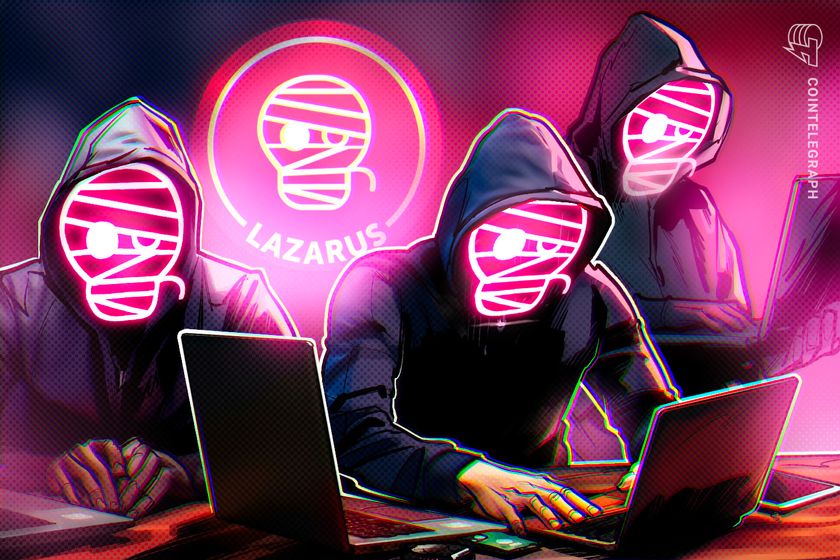
North Korea-affiliated hackers may have scaled back their operations in the second half of 2024 while preparing for what became the largest crypto hack in history.

The crypto industry was rocked by the enormous hack on Feb. 21 when Bybit lost over $1.4 billion to the infamous North Korean Lazarus Group, which seems to have prepared the attack months in advance.

According to blockchain analytics firm Chainalysis, illicit activity tied to North Korean cyber actors sharply declined after July 1, 2024, despite a surge in attacks earlier that year.

The slowdown in crypto hacks by North Korean agents had raised significant red flags, according to Eric Jardine, Chainalysis cybercrimes research Lead.

Lazarus Group’s 2024 pause was repositioning for $1.4B Bybit hack

North Korean hacking activity before and after July 1. Source: Chainalysis

North Korea’s slowdown “started when Russia and DPRK [North Korea] met for their summit that led to a reallocation of North Korean resources, including military personnel to the war in Ukraine,” Jardine told Cointelegraph during the Chainreaction show on March 26, adding:

“So, we speculated in the report that there might have been additional things unseen in terms of resources reallocation from the DPRK, and then you roll forward into early February, and you have the Bybit hack.”

https://t.co/jOlqMt4Hag

— Cointelegraph (@Cointelegraph) March 26, 2025

“The slowdown that we observed could have been a regrouping to select new targets, probe infrastructure, or it could have been linked to those geopolitical events,” he added.

Related: Hyperliquid whale still holds 10% of JELLY memecoin after $6.2M exploit

It took the Lazarus Group 10 days to launder 100% of the stolen Bybit funds through the decentralized crosschain protocol THORChain, Cointelegraph reported on March 4.

Still, blockchain security experts were hopeful that a portion of the funds could be frozen and recovered by Bybit. As of March 20, over 80% of the stolen $1.4 billion was still traceable as blockchain investigators continue their efforts to freeze and recover the funds.

Related: Polymarket faces scrutiny over $7M Ukraine mineral deal bet

How hackers staged the world’s biggest crypto hack

The Bybit attack highlights that even centralized exchanges with strong security measures remain vulnerable to sophisticated cyberattacks, analysts said.

The attack shares similarities with the $230 million WazirX hack and the $58 million Radiant Capital hack, according to Meir Dolev, co-founder and chief technical officer at Cyvers.

Dolev said the Ethereum multisig cold wallet was compromised through a deceptive transaction, tricking signers into unknowingly approving a malicious smart contract logic change.

“This allowed the hacker to gain control of the cold wallet and transfer all ETH to an unknown address,” Dolev told Cointelegraph.

Lazarus Group’s 2024 pause was repositioning for $1.4B Bybit hack

North Korea hacking activity. Source: Chainalysis

Throughout 2024, North Korean hackers stole over $1.34 billion worth of digital assets across 47 incidents, a 102% increase from the $660 million stolen in 2023, according to Chainalysis data.

This accounted for 61% of the total crypto stolen in 2024.

Magazine: Memecoins are ded — But Solana ‘100x better’ despite revenue plunge

Read more at cointelegraph.com

LINE says it’s not in bed with Sony’s Soneium after all

LY Corporation denied that its Web3 venture, Line Next, had entered into a business partnership with Soneium, a Sony-backed Ethereum layer-2 network.

The statement, issued on March 28, followed media reports and social media coverage that suggested a partnership had been finalized between LY and Soneium.

“These reports were based on an announcement made by Soneium on [March 12] that it plans to expand its business by using the LINE API and LINE Mini Apps on our platform, although no business partnership or the like has been established between Soneium and LY Corporation,” LY said.

In response, a Soneium spokesperson told Cointelegraph: “Our March 12 announcement refers to a collaboration, which involves exploring the integration of onchain Mini Apps within the Line ecosystem. We stand by the accuracy of all content published in our official statement.

“LY Corporation has also directed readers to our announcement for context and clarification. Additionally, Soneium received permission to reference Line in that announcement, and the Kaia Mini App is not exclusive to any single provider,” the spokesperson added.

Related: Hamster Kombat destined for Guinness World Record?

Japanese tech titans and their blockchain ventures

LY Corporation is a Japanese tech giant formed through the merger of several major entities, including Line — Japan’s largest messaging platform — and Yahoo Japan. The 2023 merger also brought Line’s Web3 arm, Line Next, under the LY umbrella.

Line Next was established in late 2021 and raised $140 million in December 2023 from a consortium led by Crescendo Equity Partners. In January, it launched “Mini Dapps,” which offer games and social content within the LINE messenger — echoing the popularity of Telegram’s Mini Apps, which soared in popularity through tap-to-earn games and airdrops.

Line’s Mini Dapps are powered by Kaia, a layer-1 blockchain formed by merging Line’s Finschia chain with Kakao’s Klaytn network. On March 6, Line announced that its Mini Dapps had surpassed 35 million users.

LINE says it’s not in bed with Sony’s Soneium after all

The top Mini Dapp generated $773,000 during the launch month on Line. Source: Line Corporation

Like Line Next, Soneium is backed by a Japanese tech heavyweight, in this case, Sony. Developed by Sony Block Solutions Labs, Soneium launched its mainnet in January with features such as NFTs tied to Amazon Prime Video content.

Soneium taps into the global power of Japanese anime

On March 28, Soneium announced a separate partnership with Animoca Brands to promote anime culture in Web3.

Through the partnership, Animoca’s digital identity platform, Moca Network, will create a decentralized identity layer on Soneium, starting with Anime ID, a reputation-based identifier for anime fans.

The move comes amid surging global interest in anime content. In a 2024 media interview, Rahul Purini, president of anime streaming app Crunchyroll, said the platform’s research found 800 million people outside of China and Japan — where Crunchyroll’s library and access are limited — watch anime content.

Magazine: Bitcoiner sex trap extortion? BTS firm’s blockchain disaster: Asia Express 

Read more at cointelegraph.com

Coffeezilla shouldn’t duck Logan Paul suit over CryptoZoo claims: Judge

Influencer Logan Paul should be allowed to continue a lawsuit accusing YouTuber known as “Coffeezilla” of making defamatory remarks about Paul’s failed CryptoZoo project, a Texas magistrate judge says.

In a March 26 report filed in a San Antonio federal court, Magistrate Judge Henry Bemporad recommended that federal Judge Orlando Garcia, overseeing the case, deny Stephen Findeisen’s bid to toss Paul’s lawsuit, as Findeisen presented his claims more akin to facts than “mere opinion.”

“At the pleading stage, Plaintiff [Paul] has sufficiently alleged that the statements at issue in this case are reasonably capable of defamatory meaning and are not unactionable opinions,” Bemporad wrote.

“The Court should reject Defendants’ contention that context renders Findeisen’s statements nondefamatory,” he added.

Paul sued Findeisen in June, claiming one of Findeisen’s X posts and two YouTube videos about his CryptoZoo non-fungible token (NFT) project were malicious and caused reputational damage.

CryptoZoo was pinned as a blockchain game where players buy NFT “eggs” that would hatch into animals that could be bred to create unique animals to earn tokens depending on their rarity. The game is yet to materialize.

Coffeezilla shouldn’t duck Logan Paul suit over CryptoZoo claims: Judge

An example of a CryptoZoo NFT animal that combines a shark and an elephant. Source: CryptoZoo

Paul claimed Findeisen called him “a serial scammer” and that CryptoZoo was a “scam” and a “massive con,” which Paul denied. 

Findeisen asked the court for an early judgment last month, claiming his statements were made to be taken as opinions and his videos had disclaimers in the description section saying as such.

But Bemporad found that “Findeisen’s three statements meet the legal definition of defamatory” and noted that the disclaimers “are not particularly prominent” and are “visible only when the section is expanded.”

“Even if the disclaimers were more prominently on display, however, they would not materially change the factual nature of Findeisen’s assertions,” he added.

Related: Crypto influencer Ben ‘BitBoy’ Armstrong arrested in Florida 

Paul or Findeisen can object to Bemporad’s report within 14 days. Lawyers for Paul and Findeisen did not immediately respond to requests for comment outside of business hours.

Findeisen also released three videos in 2022 on CryptoZoo, which Paul did not bring defamation accusations against but previously threatened to sue over

He later backtracked, apologized, and in January 2023, promised to come up with a plan for CryptoZoo — which came a year later with Paul earmarking $2.3 million for refunds so long as claimants agreed not to sue over the project.

Meanwhile, a group of CryptoZoo buyers sued Paul and others they accused of being involved in the business in a class-action lawsuit, which Paul has asked to have tossed. He has also filed a counter-suit against two business partners who he claimed were to blame for CryptoZoo’s failure.

Magazine: Meet lawyer Max Burwick — ‘The ambulance chaser of crypto’ 

Read more at cointelegraph.com

Coffeezilla shouldn’t duck Logan Paul suit over CryptoZoo claims: Judge

Influencer Logan Paul should be allowed to continue a lawsuit accusing the YouTuber known as “Coffeezilla” of making defamatory remarks about Paul’s failed CryptoZoo project, a Texas magistrate judge said.

In a March 26 report filed in a San Antonio federal court, Magistrate Judge Henry Bemporad recommended that federal Judge Orlando Garcia, overseeing the case, deny Stephen Findeisen’s bid to toss Paul’s lawsuit, as Findeisen presented his claims more akin to facts than “mere opinion.”

“At the pleading stage, Plaintiff [Paul] has sufficiently alleged that the statements at issue in this case are reasonably capable of defamatory meaning and are not unactionable opinions,” Bemporad wrote.

“The Court should reject Defendants’ contention that context renders Findeisen’s statements nondefamatory,” he added.

Paul sued Findeisen in June, claiming one of Findeisen’s X posts and two YouTube videos about his CryptoZoo non-fungible token (NFT) project were malicious and caused reputational damage.

CryptoZoo was pinned as a blockchain game where players buy NFT “eggs” that would hatch into animals that could be bred to create unique animals to earn tokens depending on their rarity. The game is yet to materialize.

Coffeezilla shouldn’t duck Logan Paul suit over CryptoZoo claims: Judge

An example of a CryptoZoo NFT animal that combines a shark and an elephant. Source: CryptoZoo

Paul claimed Findeisen called him “a serial scammer” and that CryptoZoo was a “scam” and a “massive con,” which Paul denied. 

Findeisen asked the court for an early judgment last month, claiming his statements were made to be taken as opinions and his videos had disclaimers in the description section saying as such.

But Bemporad found that “Findeisen’s three statements meet the legal definition of defamatory” and noted that the disclaimers “are not particularly prominent” and are “visible only when the section is expanded.”

“Even if the disclaimers were more prominently on display, however, they would not materially change the factual nature of Findeisen’s assertions,” he added.

Related: Crypto influencer Ben ‘BitBoy’ Armstrong arrested in Florida 

Paul or Findeisen can object to Bemporad’s report within 14 days. Lawyers for Paul and Findeisen did not immediately respond to requests for comment outside of business hours.

Findeisen also released three videos in 2022 on CryptoZoo, which Paul did not bring defamation accusations against but previously threatened to sue over

He later backtracked, apologized, and in January 2023, promised to come up with a plan for CryptoZoo — which came a year later with Paul earmarking $2.3 million for refunds so long as claimants agreed not to sue over the project.

Meanwhile, a group of CryptoZoo buyers sued Paul and others they accused of being involved in the business in a class-action lawsuit, which Paul has asked to have tossed. He has also filed a counter-suit against two business partners he claimed were to blame for CryptoZoo’s failure.

Magazine: Meet lawyer Max Burwick — ‘The ambulance chaser of crypto’ 

Read more at cointelegraph.com

Market is underestimating how quickly Bitcoin will hit new ATH: Analyst

Bitcoin will break past its $109,000 all-time high sooner than expected despite recent volatile US macroeconomic conditions, according to a crypto analyst. 

“The market may be underestimating how quickly Bitcoin could surge – potentially hitting new all-time highs before Q2 is out,” Real Vision chief crypto analyst Jamie Coutts told Cointelegraph. 

He said this forecast stands regardless of whether or not there is more clarity on US President Donald Trump’s tariffs and potential recession concerns.

Trump’s tariffs blamed for Bitcoin’s recent downtrend

Bitcoin (BTC) fell below $100,000 on Feb. 2, with many market participants blaming the downturn on Trump’s newly imposed tariffs and uncertainty over US interest rates. 

Coutts based his rosy rebound prediction on easing financial conditions, a weakening US dollar and the People’s Bank of China ramping up liquidity since early 2025.

“Financial conditions have eased dramatically this month, highlighted by the US dollar’s third-largest three-day decline since 2015 and significant drops in rates and Treasury bond volatility,” he said.

“Liquidity remains central to investing in all asset classes,” he added.

Cryptocurrencies, BTC Markets

Bitcoin is down 3.16% over the past 30 days. Source: CoinMarketCap

At the time of publication, Bitcoin is trading at $85,880, down 3.16% over the past month, as per CoinMarketCap data.

Coutts referred to his March 7 X post, where he said that based on the US Dollar Index (DXY) recent moves through a “historical lens,” it makes it hard to be “anything but bullish” about Bitcoin.

Based on historical DXY performance, Coutts said that by June 1, Bitcoin’s 90-day forecast ranges from a worst-case price of $102,000 to a best-case scenario of $123,000. 

Cryptocurrencies, BTC Markets

Source: Jamie Coutts

The upper target would represent a 13% gain over its current all-time high of $109,000, which it reached on Jan. 20.

BlackRock’s head of digital assets, Robbie Mitchnick, recently said that Bitcoin will most likely thrive in a recessionary macro environment.

“I don’t know if we’ll have a recession or not, but a recession would be a big catalyst for Bitcoin,” Mitchnick said in a March 19 interview with Yahoo Finance.

Related: $16.5B in Bitcoin options expire on Friday — Will BTC price soar above $90K?

It comes at the same time that Bitcoin continues to experience its “least bullish conditions” since January 2023, according to CryptoQuant.

CryptoQuant’s Bull Score Index is at 20, its lowest since January 2023, signaling a weak Bitcoin market with low chances of a strong rally soon. 

Based on historical performance, if the score remains below 40 for an extended period, it could signal continued bearish market conditions, similar to previous bear market phases.

Magazine: Arbitrum co-founder skeptical of move to based and native rollups: Steven Goldfeder

This article does not contain investment advice or recommendations. Every investment and trading move involves risk, and readers should conduct their own research when making a decision.

Read more at cointelegraph.com

Market is underestimating how quickly Bitcoin will hit new ATH: Analyst

Bitcoin will break past its $109,000 all-time high sooner than expected despite recent volatile US macroeconomic conditions, according to a crypto analyst. 

“The market may be underestimating how quickly Bitcoin could surge – potentially hitting new all-time highs before Q2 is out,” Real Vision chief crypto analyst Jamie Coutts told Cointelegraph. 

He said this forecast stands regardless of whether or not there is more clarity on US President Donald Trump’s tariffs and potential recession concerns.

Trump’s tariffs blamed for Bitcoin’s recent downtrend

Bitcoin (BTC) fell below $100,000 on Feb. 2, with many market participants blaming the downturn on Trump’s newly imposed tariffs and uncertainty over US interest rates. 

Coutts based his rosy rebound prediction on easing financial conditions, a weakening US dollar and the People’s Bank of China ramping up liquidity since early 2025.

“Financial conditions have eased dramatically this month, highlighted by the US dollar’s third-largest three-day decline since 2015 and significant drops in rates and Treasury bond volatility,” he said.

“Liquidity remains central to investing in all asset classes,” he added.

Cryptocurrencies, BTC Markets

Bitcoin is down 3.16% over the past 30 days. Source: CoinMarketCap

At the time of publication, Bitcoin is trading at $85,880, down 3.16% over the past month, as per CoinMarketCap data.

Coutts referred to his March 7 X post, where he said that based on the US Dollar Index (DXY) recent moves through a “historical lens,” it makes it hard to be “anything but bullish” about Bitcoin.

Based on historical DXY performance, Coutts said that by June 1, Bitcoin’s 90-day forecast ranges from a worst-case price of $102,000 to a best-case scenario of $123,000. 

Cryptocurrencies, BTC Markets

Source: Jamie Coutts

The upper target would represent a 13% gain over its current all-time high of $109,000, which it reached on Jan. 20.

BlackRock’s head of digital assets, Robbie Mitchnick, recently said that Bitcoin will most likely thrive in a recessionary macro environment.

“I don’t know if we’ll have a recession or not, but a recession would be a big catalyst for Bitcoin,” Mitchnick said in a March 19 interview with Yahoo Finance.

Related: $16.5B in Bitcoin options expire on Friday — Will BTC price soar above $90K?

It comes at the same time that Bitcoin continues to experience its “least bullish conditions” since January 2023, according to CryptoQuant.

CryptoQuant’s Bull Score Index is at 20, its lowest since January 2023, signaling a weak Bitcoin market with low chances of a strong rally soon. 

Based on historical performance, if the score remains below 40 for an extended period, it could signal continued bearish market conditions, similar to previous bear market phases.

Magazine: Arbitrum co-founder skeptical of move to based and native rollups: Steven Goldfeder

This article does not contain investment advice or recommendations. Every investment and trading move involves risk, and readers should conduct their own research when making a decision.

Read more at cointelegraph.com

South Carolina dismisses its staking lawsuit against Coinbase, joining Vermont

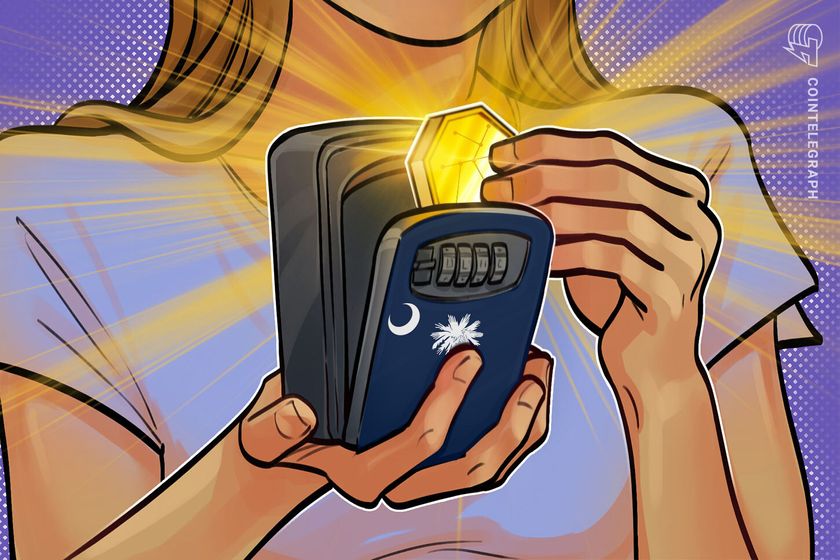
South Carolina has become the latest US state to dismiss its lawsuit against crypto exchange Coinbase over its staking services, which had accused the crypto exchange of offering unregistered securities.

The lawsuit was officially dismissed in a joint stipulation between the crypto exchange and the South Carolina Attorney General’s securities division on March 27.

“South Carolina just joined Vermont to dismiss its unfounded staking lawsuit against Coinbase,” the firm’s chief legal officer, Paul Grewal, said in a March 27 X post.

“This is not just a victory for us, but for American consumers and we hope it’s a sign of things to come in the few states left that restrict staking.”South Carolina dismisses its staking lawsuit against Coinbase, joining Vermont

South Carolina Attorney General and Coinbase’s joint stipulation. Source: South Carolina Attorney General

South Carolina and Vermont were two of 10 US states that took legal action against Coinbase’s staking services on June 6, 2023 — the same day that the federal securities regulator filed its lawsuit against the crypto exchange.

The Securities and Exchange Commission officially dismissed that lawsuit on Feb. 27, 2025.

The other eight US states that filed enforcement action similar to South Carolina were Alabama, California, Illinois, Kentucky, Maryland, New Jersey, Washington and Wisconsin. 

Grewal said he hoped to see other states follow suit and that South Carolina residents lost an estimated $2 million in staking rewards as a result of the lawsuit.

“The 52 million Americans who own crypto deserve commonsense consumer protections and clear rules,” he said. “We applaud South Carolina for standing up for justice and hope the remaining states with bans on staking will take notice.”

South Carolina introduces Bitcoin reserve bill

Meanwhile, a state lawmaker has just introduced the “Strategic Digital Assets Reserve Act of South Carolina” on March 27, which could see the state treasurer allocate up to 10% of certain state funds to cryptocurrencies such as Bitcoin (BTC).

Unlike most US state crypto reserve bills, North Carolina’s House Bill 4256, introduced by Rep. Jordan Pace, mentioned Bitcoin on several occasions for the Strategic Digital Assets Reserve that the bill seeks to establish.

South Carolina dismisses its staking lawsuit against Coinbase, joining Vermont

Source: Jordan Pace

The bill allows South Carolina’s treasurer, currently Curtis Loftis, to establish a Bitcoin reserve that exceeds no more than 1 million Bitcoin — a high ceiling that the US federal government is also looking to reach or exceed with its recently established Strategic Bitcoin Reserve.

The treasurer would be able to add Bitcoin to South Carolina’s General Fund, the Budget Stabilization Reserve Fund any other investment fund that they manage.

Related: Coinbase files FOIA to see how much the SEC’s ‘war on crypto’ cost

While no mention of stablecoins, non-fungible tokens, Ether (ETH) or any other crypto tokens was made, the House bill said the Strategic Digital Assets Reserve wouldn’t be limited to Bitcoin.

According to Bitcoin Law, 42 Bitcoin reserve bills have been introduced at the state level in 19 states, and 36 of those 42 bills remain live.

Earlier this month, US President Donald Trump signed an executive order to create a Strategic Bitcoin Reserve and a Digital Asset Stockpile, both of which will initially use cryptocurrency forfeited in government criminal cases.

Magazine: Comeback 2025: Is Ethereum poised to catch up with Bitcoin and Solana?

Read more at cointelegraph.com